
Best Algo Trading Platforms for Beginners

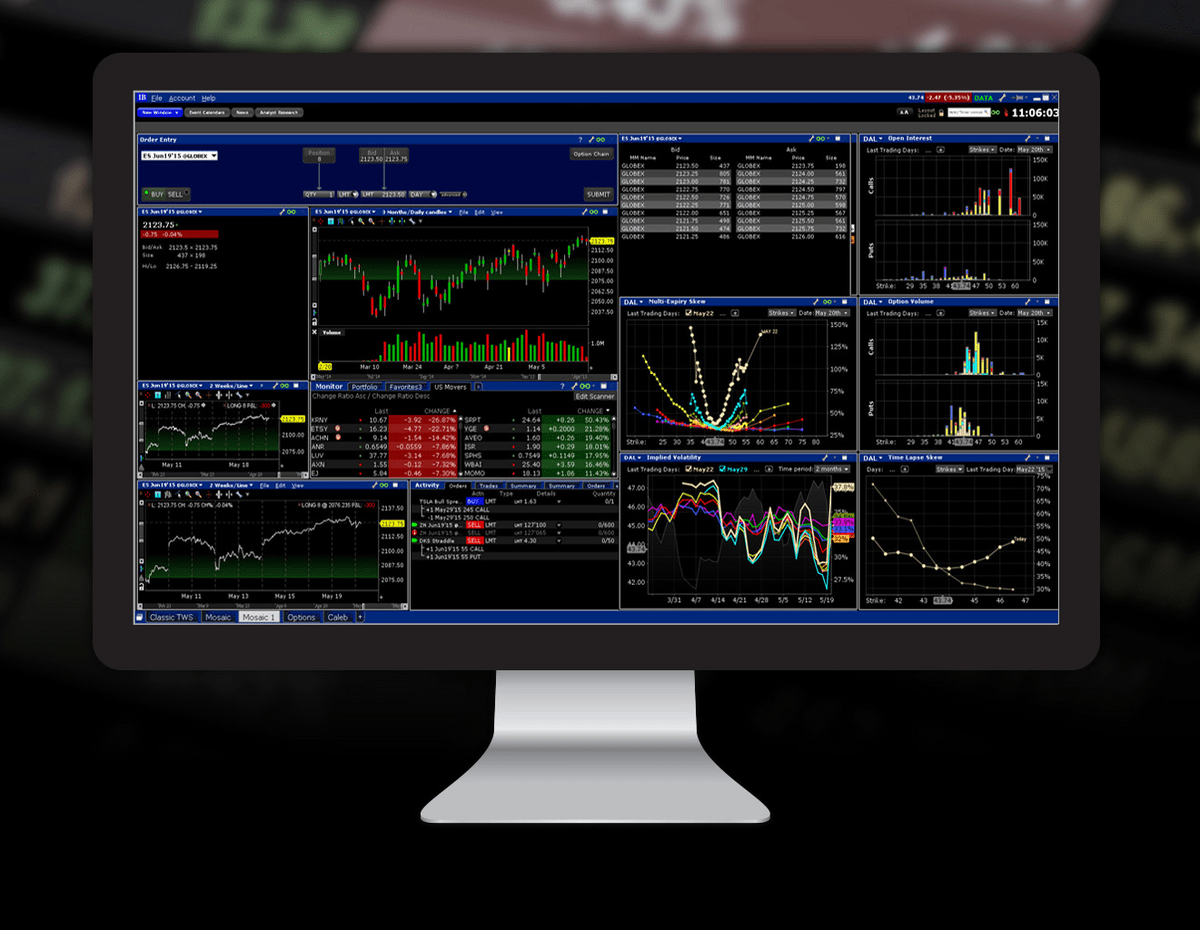
Most beginners don’t struggle with automation itself. They struggle with forming a reliable, rules-based idea worth automating. Modern algo platforms can execute thousands of trades, manage positions, and run continuous logic, but none of that matters if the underlying strategy is unclear. A beginner-friendly platform should lower the learning curve, provide structure, and allow gradual progression from idea to backtest to execution.
This blog breaks down how leading platforms fit into that progression and which ones give beginners the safest path into systematic trading.
Stratzy: The First Step for Beginners Who Need Structured, Rule-Ready Ideas
For beginners, the biggest gap isn’t coding or execution. It is the lack of a coherent framework for entries, exits, timeframes, and trend structure. Stratzy is designed for this earliest part of the workflow. Instead of handling execution or APIs, it focuses entirely on interpreting market behaviour and converting it into structured insights, directional models, and pre-built algorithmic setups.
These setups are not auto-traded templates. They are reference models that beginners can study to understand why a strategy exists, what market pattern it exploits, and how its rules are constructed. They give a clean blueprint for beginners who often do not know how to move from discretionary thinking to rule-based logic.
Because Stratzy also publishes pre-built algos and structured setups, beginners don’t start from a blank screen. They can pick a model (for example, a momentum continuation framework or a volatility-filtered trend system), study its logic, and then translate that into objective rules on Streak, Tradetron, or AlgoTest. This prevents the usual beginner mistake of forcing random indicators together without a decision framework.
Since Stratzy has no broker API connections, beginners can explore ideas safely. There is no risk of unintended orders, execution errors, or margin exposure. It acts purely as the research and reasoning layer, where beginners build clarity before touching automation.
Where Stratzy helps beginners most:
• Builds structure around trade ideas before any coding or deployment
• Teaches how to read momentum, trend strength, and timing in a rule-friendly way
• Offers pre-built algorithmic models that beginners can reverse-engineer
• Removes guesswork and prevents beginners from automating half-formed ideas
• Works with every execution platform because it stays API-independent
Stratzy fits at the first stage of algo trading: idea → logic → rule formulation. Once beginners understand the reasoning behind a setup, they can move to proper backtesting and execution tools.
Streak
Streak helps beginners convert rules into deployable strategies without any code. It is simple, visual, and integrated directly with Zerodha. Beginners use it to understand how rule-based entries behave in real time, how indicators react to price changes, and how a strategy moves through backtests.
It does not support complicated logic or multi-leg derivatives, but it is ideal for beginners who want to see a rule respond directly to price movement.
Strengths: very easy to understand, smooth Zerodha integration
Limitations: limited datasets, cannot build advanced multi-condition systems
Tradetron
Tradetron suits beginners once they outgrow simple indicator-based setups. It allows multi-leg, multi-asset, and condition-based logic through a decision-tree style interface. Everything runs on the cloud, so users don’t have to manage servers or uptime.
Beginners often use Tradetron after first forming strategy logic inspired by a research platform like Stratzy and then validating it through its built-in backtest or live paper trading.
Strengths: flexible decision logic, good for options and strategies with layered conditions
Limitations: higher cost at scale, steep learning curve with complex logic blocks
AlgoTest
AlgoTest is the preferred starting point for beginners working with options because it offers high-quality historical F&O data, detailed Greeks analytics, and margin simulation. Beginners who learn options trading through Stratzy’s structured setups often use AlgoTest to validate whether those setups hold up in real data.
The paper trading feature is useful for beginners who want to see execution behaviour without risking capital.
Strengths: accurate backtests, good for options, real-time paper trading
Limitations: interface is more technical; less friendly for simple equity strategies
Broker APIs for Beginners Who Can Code
Some beginners enter algo trading from a programming background. For them, APIs from brokers like Zerodha, Angel, Dhan, and Fyers offer complete freedom to build custom systems. This approach provides flexibility but also demands responsibility for risk limits, error handling, and monitoring.
Strengths: unmatched flexibility and control
Limitations: requires coding discipline, server management, and thorough testing
Choosing the Right Platform as a Beginner
A safe beginner path generally progresses in this order:
- Develop structured understanding → Stratzy
- Build simple rules visually → Streak
- Test layered logic and multi-leg setups → Tradetron
- Backtest options and validate behaviour → AlgoTest
- Scale into custom automation → broker APIs
This prevents beginners from skipping essential steps like logic formation and risk validation.
Conclusion
You can analyse these ideas at Stratzy and use them as the starting point for building your own rule-based or automated systems. This ensures your portfolio development begins with clarity rather than uncertainty.