
How Trend Followers Size Positions and Manage Risk

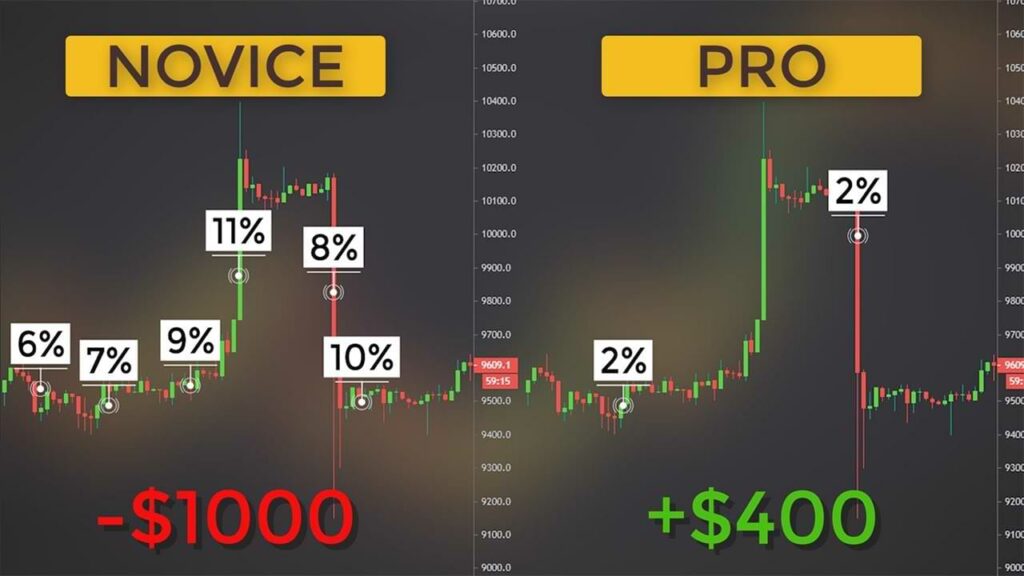
Trend following as a trading framework relies less on prediction and more on disciplined execution. The strategy works by identifying established market direction and holding positions as long as that direction remains intact. But trend followers don’t succeed because they find trends. They succeed because they size positions systematically and control downside risk with almost mechanical consistency.
This blog breaks down the core elements of position sizing and risk management used by trend followers, showing the exact logic behind how they survive whipsaws and benefit from long runs.
Understanding the Foundation of Trend Following Risk Management
Trend following assumes that markets spend long periods moving in repeatable directional phases. However, these phases are unpredictable in length and strength. Because of this uncertainty, trend followers design systems that treat risk management and sizing as more important than the entry itself.
Instead of relying on conviction, they rely on frameworks that answer three questions:
- How much capital can be exposed per trade
- When to exit when a trend weakens
- How to prevent a single loss from damaging the entire system
These are mechanical, rule-based decisions designed to eliminate discretion.
Core Methods Trend Followers Use for Position Sizing
Trend followers usually size positions according to volatility or predefined capital allocation rules. While methods vary, the intention remains the same: keep every trade’s risk controlled and consistent.
Volatility-Based Position Sizing
This is the most common method because trend-following relies on long holding periods and must survive periods of rough volatility.
How it works
- The trader calculates market volatility, often using ATR (Average True Range).
- The stop loss distance is tied to this ATR (for example, 2x or 3x ATR).
- The position size is adjusted so that the loss at the stop equals a fixed percentage of portfolio capital.
Why trend followers use it
Markets with higher volatility get smaller position sizes, reducing risk automatically. Calmer markets allow larger sizes without increasing exposure.
This creates uniform risk across different instruments and avoids overweighting fast-moving markets.
Fixed Fractional Risk Sizing
This method involves risking a constant percentage of capital on each trade, such as 0.5 percent or 1 percent.
How it works
- A fixed percentage of total capital is allocated as maximum loss.
- The distance between entry and stop determines how many units can be bought or sold.
Why it's effective
It keeps risk controlled even when portfolios scale up or down. Whether a trader manages one lakh or fifty lakh, the method adapts automatically.
Pyramiding and Scaling Rules
Trend followers often add to winning positions only when price continues moving in their direction.
Key principles
- Add positions only when the trend strengthens.
- Scale in at predefined breakout levels.
- Maintain total portfolio heat limits to prevent over-exposure.
The goal is to compound aggressively during strong trends while limiting damage during sideways regimes.
How Trend Followers Manage Risk
Trend following produces small frequent losses and occasional large profits. This pattern requires a strict risk control framework that doesn’t depend on intuition.
Stop Losses Anchored to Volatility
The most common exits come from:
- ATR-based volatility stops
- Moving average cross-unders
- Break of structural support or resistance
Volatility-anchored stops prevent premature exits during normal noise while ensuring positions close when the trend actually breaks.
Portfolio Heat and Exposure Caps
Trend followers avoid concentrating exposure in correlated assets. Even if multiple instruments show the same directional bias, the system limits overall exposure.
Typical rules include
- Maximum 10 percent total risk at any time
- Limit of 1 percent risk per position
- Restrictions on taking multiple trades within the same sector
This prevents portfolio-level drawdowns from spiraling out of control during sector-wide reversals.
Drawdown Limits and System Shutdown Rules
Sustained drawdowns are part of trend following. To prevent deep portfolio damage, traders set:
- Maximum daily loss limits
- Maximum trailing drawdown thresholds
- Auto-shutdown rules after consecutive losing trades
These rules preserve capital and enforce objectivity even when markets become difficult.
Why Sizing and Risk Controls Matter More Than Entries
Two trend followers may use different entry signals but still achieve similar long-term performance if their risk frameworks are strong. Conversely, even the best entry method collapses when paired with weak position sizing.
The long-term edge in trend following is not about catching every trend but about making sure losses stay small and controlled while allowing outlier trends to create disproportionate gains.
Sizing and risk management ensure the system survives long enough to capture those outliers.
Where Stratzy Helps Trend Followers Build Better Systems
With Stratzy’s organised models on Stratzy, traders gain clarity on how strategies behave in different conditions. That clarity makes algo trading smoother and more disciplined.